

As a trusted plastic cream jar supplier, ensuring the leak - proof quality of our products is of utmost importance. Leakage not only leads to product waste for customers but also affects the overall brand image. In this blog, I will share some effective methods to check if a plastic cream jar is leak - proof.
Visual Inspection
The initial step in checking for leak - proofing is a thorough visual inspection. First, examine the jar's body for any visible cracks, scratches, or deformities. Even a tiny crack can be a potential point for leakage over time. Pay close attention to the seams of the jar, especially if it is a multi - piece design. The junction where different parts of the jar are joined should be smooth and continuous, without any gaps or rough edges.
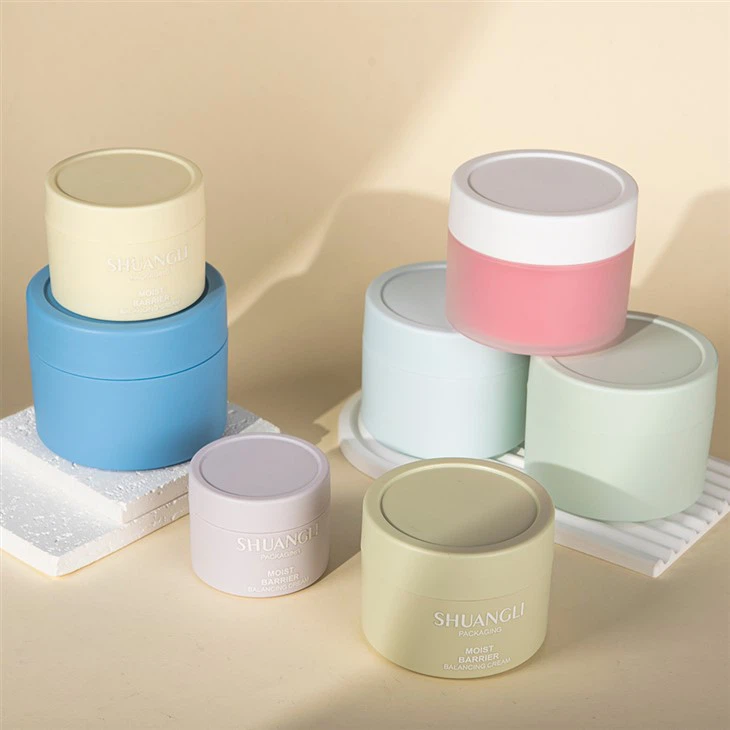
For example, our Matt Plastic Cream Jar has a seamless body design in most cases, which reduces the risk of leakage at joints. However, a visual inspection can still help detect any manufacturing flaws on the surface that could cause issues later.
Next, look at the lid. The lid should fit snugly on the jar. There should be no warping or misalignment. Check the inner lining of the lid, if it has one. A damaged or improperly placed lining can prevent a proper seal. In our Plastic Airless Cream Jar, the lid is designed to create an air - tight seal, and a visual check can quickly identify if there are any signs of improper manufacturing or damage that might affect the seal.
Pressure Test
A pressure test is an effective way to simulate real - world conditions and check for leaks. To conduct a pressure test, you can follow these steps.
First, fill the plastic cream jar with water or a dummy liquid close to the viscosity of the actual cream it will hold. Leave a small air gap at the top as there would be in a normal product. Then, tightly close the jar with its lid.
You can then place the jar in a sealed container, such as a large plastic bag or a pressure - rated chamber. Apply pressure. If you are using a simple plastic bag, you can immerse the bag with the jar in water and squeeze the bag gently. This will increase the pressure around the jar. For more accurate testing, a pressure - rated chamber can be used to apply a specific amount of pressure according to industry standards.
Observe the jar carefully for any signs of liquid seepage. Check the lid area, the seams, and any other potential weak points. If there are bubbles coming from the jar, it indicates a leak. Our Glossy Plastic Cream Jar undergoes rigorous pressure testing during our quality control process to ensure that it can withstand normal handling and transportation pressures without leaking.
Vibration Test
During transportation, plastic cream jars are subjected to vibrations. A vibration test can mimic these conditions and help identify any potential leak points.
To perform a vibration test, place the filled plastic cream jar on a vibration platform. The platform can be adjusted to different frequencies and amplitudes to simulate various transportation scenarios, such as being on a bumpy road or in an airplane.
Run the vibration test for a set period, typically several hours depending on the expected transportation duration and conditions. After the test, carefully inspect the jar for any signs of leakage. Check the areas around the lid, as well as the body of the jar. The force of vibration can sometimes cause a loose lid or a small crack to start leaking.

Temperature Cycling Test
Temperature changes can also affect the leak - proof nature of a plastic cream jar. In a temperature cycling test, the jar is exposed to a range of temperatures.
First, fill the jar with the test liquid and close it properly. Then, place the jar in a temperature - controlled chamber. Subject the jar to a series of temperature cycles. Start with a low temperature, say around 0°C, and hold it for a few hours. Then, increase the temperature to a high level, such as 50°C, and hold it again for a few hours. Repeat this cycle several times.
The expansion and contraction of the plastic and the liquid inside the jar during temperature changes can stress the seals and joints. After the cycling test, check the jar for any leaks. This test helps ensure that the plastic cream jar remains leak - proof in different environmental conditions.
Seal Integrity Test
The seal between the jar and the lid is crucial for leak - proofing. To test the seal integrity, you can use a vacuum test.
Place the filled jar in a vacuum chamber. Gradually reduce the pressure inside the chamber. If the seal is intact, there will be no significant change in the appearance of the jar. However, if there is a leak, air will enter the chamber through the leak point, and you may notice gurgling sounds or bubbles if the jar is filled with a liquid.
Another way to test the seal integrity is by using a sealant detector. Some modern detectors can sense the presence of leaks by detecting changes in pressure or the presence of gas molecules. This method is highly accurate and can detect even the smallest of leaks.
Chemical Compatibility Check
If the plastic cream jar is intended to hold a specific type of cream or cosmetic product, it is important to check the chemical compatibility between the plastic and the product. Some chemicals can react with the plastic, causing it to degrade or lose its seal integrity.
Conduct a small - scale test by filling the jar with a sample of the actual cream or a similar chemical formulation. Leave the jar sealed for a period of time, typically a few weeks. Observe the jar for any signs of discoloration, swelling, or leakage. If there are any adverse reactions, it may indicate that the plastic is not suitable for the product, and a different type of plastic or coating may be required.
Importance of Leak - Proof Testing for Our Customers
For our customers, whether they are cosmetic brands or retailers, a leak - proof plastic cream jar is essential. It ensures that the product reaches the end - user in perfect condition. A leaking jar can lead to a messy and unappealing product, which can result in customer dissatisfaction and negative reviews.
Moreover, leak - proof jars help in maintaining the quality of the cream inside. They prevent air, moisture, and contaminants from entering the jar, which can extend the shelf - life of the product and preserve its efficacy.
Conclusion
As a plastic cream jar supplier, we are committed to providing high - quality, leak - proof products. By using a combination of visual inspection, pressure testing, vibration testing, temperature cycling testing, seal integrity testing, and chemical compatibility checks, we can ensure that our Matt Plastic Cream Jar, Plastic Airless Cream Jar, and Glossy Plastic Cream Jar meet the highest standards of quality.
If you are in the market for plastic cream jars, we invite you to contact us for a detailed discussion about our products and their leak - proof features. We are ready to work with you to find the best solution for your cosmetic packaging needs.
References
- Packaging Technology Handbook, Third Edition.
- ASTM International Standards for Plastic Packaging.
- Cosmetic Packaging Best Practices Guide.